I spent the morning at a Sydney club watching a Saturday event, and the same pattern kept repeating: players who could beat a single hand still folded early because they misread the payout curve. That is the real gap in most blackjack tournaments strategy advice, and it is exactly where the money leaks. You do not need faster reflexes; you need a clearer read on how the event rewards patience versus aggression, and that changes everything once the blinds start climbing.
How to read the payout structure before the first deal
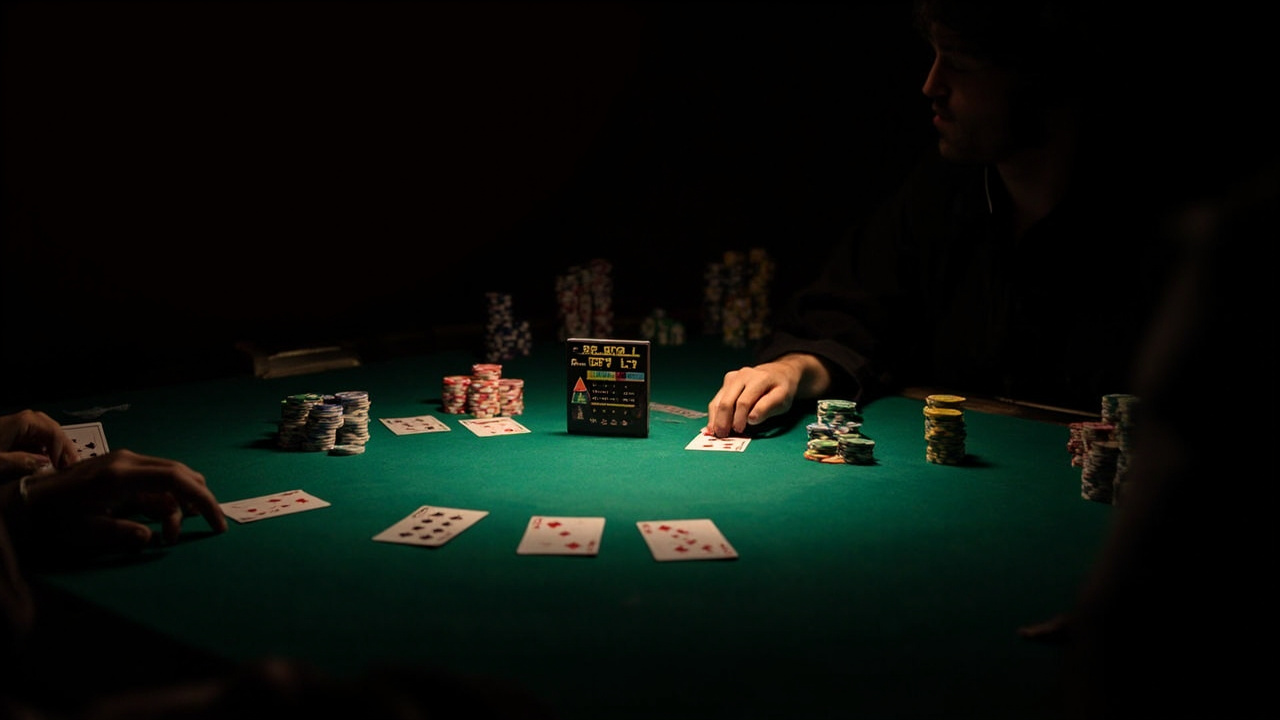
I asked a tournament regular who has cleared several Sydney events what she watches first, and she said the prize ladder matters more than any hand strategy. She treats the top-three payout as the real target and ignores the noise below it, because a flat leaderboard rewards survival over bravado. When the event pays for the final table rather than the early knockout, the best blackjack tournaments strategy is to conserve chips until the field compresses, then push when the blinds force weaker players to bust. She also checks whether rebuys are allowed, since a rebuy window changes the math completely and turns early losses into a planned cost rather than a disaster.
When to push, when to sit, and how blinds reshape the table
By mid-afternoon, when the room gets busy as the arvo crowd drifts in, the blind schedule usually starts doing the heavy lifting. The player I spoke with reckons most entrants overplay their hands once the blinds climb, because they treat every orbit like a standalone decision instead of a tournament clock. Her rule is simple: if you are near the bubble and the blinds are eating the shorter stacks, a disciplined stand on marginal totals often beats a reckless double that hands the next seat to someone else. She also watches the chip counts two places ahead of her, since a single big winner can shift the survival line and force you to take risks earlier than your own stack would suggest.
Managing your stack against the field, not against the dealer
The conversation kept circling back to one point: the dealer is a mechanism, but the field is the opponent. She builds her blackjack tournaments strategy around chip positioning rather than hand perfection, because a mid-table stack can survive a bad run and still climb if the leaders stumble near the final table. I asked how she handles a cold patch, and she said she slows down, avoids side bets that drain variance, and lets the blinds do the trimming for her. The practical checklist she runs through before every push looks like this:
- Check the blind level and the number of players still above you
- Decide whether survival or a top-three push is the real target
- Avoid doubling on marginal totals when the bubble is close
- Keep rebuy rules in mind if the event allows a second entry
- Watch the biggest stacks and adjust your aggression accordingly
She says that list sounds plain, but it stops most players from turning a manageable deficit into an early exit.
For those looking to extend their own run, understanding the underlying mechanics can make all the difference. You can explore the spin samurai deposit bonus spin samurai deposit bonus to see how extra value can shift the odds in your favor. Even a modest boost often provides the breathing room needed to navigate tough stretches and keep competing.
Choosing events that reward repeat play, not just a one-off bonus
A welcome offer gets you in the door, but the ongoing value comes from how the room keeps you coming back after the first deposit. I asked her what keeps her returning to the same club rather than drifting to another, and she pointed to recurring promos, cashback on bad runs, and a loyalty ladder that actually recognises regular tournament play instead of just high rollers. She said a solid blackjack tournaments strategy includes picking venues with repeat-play reasons that match your rhythm, because a one-off bonus does not pay for the travel, the time, and the learning curve. She also checks payment options and support before committing, since a smooth withdrawal and a helpful team matter more than a flashy sign-up figure once you are playing regularly.

The takeaway is less about memorising charts and more about reading the event as a whole: the payout shape, the blind schedule, the field size, and the rewards that keep you playing after the first session. If you treat each tournament as a decision about risk, timing, and venue fit rather than a string of isolated hands, you give yourself a better chance of finishing where the money actually sits.