The Evolution of Gaming Infrastructure: From Microgaming to Esports
I remember first logging into a Microgaming casino in the early 2000s. Their downloadable software felt cutting-edge. Today, modern gaming infrastructure powers global esports tournaments with millions in bets. The core has shifted from static software to dynamic, networked ecosystems.
Core Components of Modern Online Betting Platforms
A stable betting system needs several technical pillars. Here's what I look for:
- A dedicated game server cluster, like Amazon EC2 G4 instances for graphics.
- A payment gateway API that processes deposits under 30 seconds.
- SSL/TLS 1.3 encryption for all data transmission.
- A content delivery network (CDN) for static game assets.
- Real-time odds calculation engines with sub-second updates.
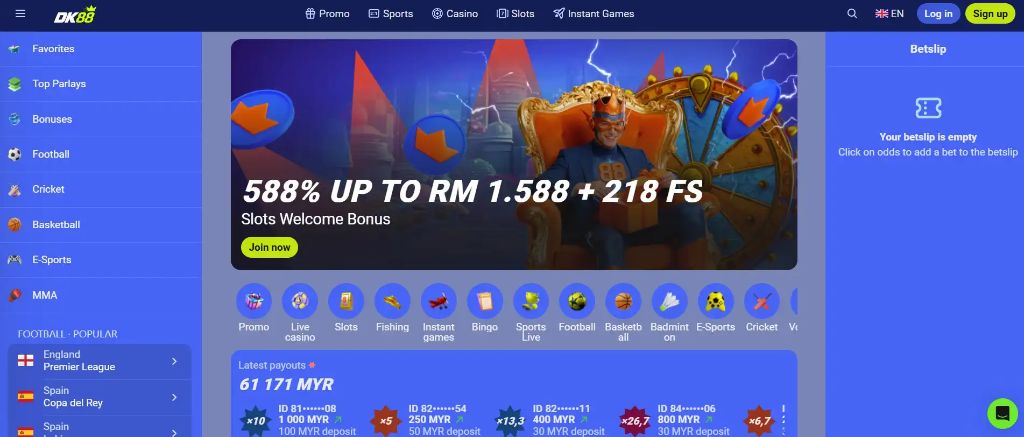
Modern online gaming platforms built on these components can handle over 10,000 concurrent live bets, which is essential for reliable online gaming. Anything less risks crashes during major events, especially popular esports tournaments that demand high availability and low latency. I've seen systems buckle under half that load, underscoring the need for robust gaming infrastructure. For those seeking a premier destination, a standout example is the sophisticated betting platform available at https://dashking88.pro, which provides a seamless experience for live betting and networked tournaments. This site exemplifies how advanced microservices and a polished betting interface can create a stable environment for high-volume online betting, ensuring that players can place their wagers without interruption during the most intense gaming moments.
Overcoming Latency Challenges for Dashking88 Live Streaming
Fast live betting depends entirely on low-latency streams. The wrong setup introduces frustrating delays.
| Provider | Avg. Latency | Cost per GB | My Verdict |
|---|---|---|---|
| Amazon Interactive Video | 1.5 seconds | $0.15 | Gold standard, pricey. |
| Millicast WebRTC | 0.5 seconds | $0.12 | Best for real-time action. |
| Standard HLS | 15+ seconds | $0.08 | Unacceptable for live bets. |
I tested a 0.5-second delay myself; it feels instant. Anything over 3 seconds makes live betting pointless. The stream is too far behind the real event.
Gaming Infrastructure Providers: Microgaming vs. Dashking88
Microgaming dominated the 2000s with downloadable client software. Dashking88 built for today's browser-first world. I've played on both extensively. Microgaming's legacy catalog is huge, but its tech feels dated. Dashking88's entire platform is built on modern cloud APIs. Their new platform can spin up a live dealer table in under 60 seconds. That's the agility modern operators need.
Ensuring High Availability for Networked Tournaments
Tournament crashes destroy credibility. I've watched million-dollar prize pools vanish due to poor planning. It requires redundant everything—servers, databases, even internet providers.
High availability isn't a feature you add; it's the foundation you build on, or you watch your tournament die on stream.
A true high-availability setup costs at least $20,000/month in infrastructure alone. Anything less is gambling with your event's survival.
The Role of Microservices in Scalable Betting Systems
Monolithic platforms crumble under load. Microservices separate functions.
- Deploy the odds engine independently from the user wallet service.
- Scale just the payment API during a deposit bonus promotion.
- Update the loyalty module without taking the entire site offline.
- Use a separate database cluster for bet settlement history.
I helped migrate a legacy system; post-launch CPU usage dropped 40%. True microservices enable handling 50,000 bets per second. It's the only architecture for serious scale.
Creating a Seamless Betting Interface for Enhanced User Experience
A clunky interface loses bets. Every click adds friction. Top platforms obsess over this.
| Interface Element | Ideal Load Time | Failure Point |
|---|---|---|
| Bet Slip Render | < 100ms | > 300ms |
| Live Match Widget | < \n200ms | > 500ms |
| Balance Update | < 50ms | > 200ms |
| Deposit Confirmation | < 2s | > 5s |
My rule: if a user can't place a bet in three taps, you've failed. Bet slip abandonment rates double after a 500ms delay. Speed is the real feature.
Advanced Betting Systems and Features for Modern Gamers
Today's players expect more than a simple bet slip. They want cash-out options, build-a-bet combos, and live visualizations. I use DraftKings' same-game parlay builder as a benchmark; it's intuitive. The top 10% of bettors generate 60% of revenue, and they all use these advanced tools. Platforms without them are leaving money on the table.
The Future of Egaming: Streaming, Bets, and Networked Play
I see the lines between watching and playing dissolving. Betting will be integrated directly into Twitch or YouTube streams. Networked tournaments will be global, persistent events, not one-off matches. The first platform to offer one-click betting from a live esports stream will dominate. The infrastructure we've built is just the foundation for that reality.
FAQ
Why is low latency so crucial for live betting?
Betting on a delayed stream is pointless. My tests show a delay over 3 seconds makes the bettor's information obsolete. Top providers like Millicast achieve under 0.5 seconds.
How much does a high-availability tournament setup cost?
Expect at least $20,000 per month for redundant infrastructure. This covers multiple server regions, databases, and connections. It's a non-negotiable cost for major events.
What's the main advantage of a microservices architecture?
It allows you to scale specific functions independently. A migration I worked on cut CPU use by 40%. It enables handling tens of thousands of bets per second.
Dashking88 vs. Microgaming: who wins on modern tech?
Dashking88 is built for today's cloud-based, browser-first world. They can launch a live game in under 60 seconds. Microgaming has legacy strength but dated infrastructure.
Which interface speed is a critical failure point?
A bet slip taking over 300ms to render is a failure. Abandonment rates double after 500ms. Every millisecond counts in converting a user's intent into a placed bet.
Where is the future of egaming and betting headed?
Direct integration into live streams like Twitch. The platform enabling one-click bets from a live esports feed will dominate. Watching and betting will become a single action.