The Thrill of the Gamble and Dopamine
The excitement of casino gambling, particularly with slot games, is deeply intertwined with our brain’s reward system. When a player spins the reels, there’s an anticipation of a potential win, and this anticipation itself triggers the release of dopamine, a neurotransmitter associated with pleasure and reward, making the experience of casino slots shine a captivating one. Even the near misses, where the reels show symbols that are just one position away from a winning combination, can create a physiological thrill, keeping players engaged and coming back for more.
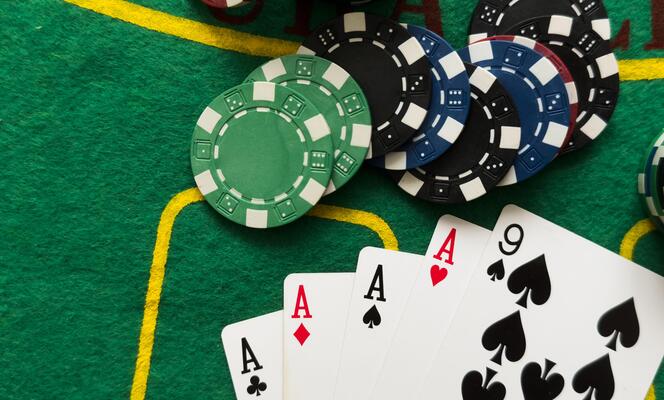
This dopamine rush is a powerful psychological driver. It creates a positive feedback loop; the anticipation and the occasional reward reinforce the behaviour. This is why even after a series of losses, a single small win can feel disproportionately significant, reigniting the desire to play. The brain interprets this as a confirmation that winning is possible, overriding the memory of previous unsuccessful attempts.
Cognitive Biases in Casino Play
Several cognitive biases significantly influence how players perceive their casino wins and losses. The “gambler’s fallacy,” for instance, is the mistaken belief that if something happens more frequently than normal during some period, it will happen less frequently in the future, or that if something happens less frequently than normal during some period, it will happen more frequently in the future. This is particularly relevant in games of chance like slots, where each spin is an independent event.
Another prevalent bias is the “illusion of control.” Players might develop superstitions or rituals, believing they can influence the outcome of a random slot machine spin. This could involve a specific way of pressing the button, a lucky charm, or even a feeling that the machine is “due” for a payout. These beliefs, while unfounded, provide a sense of agency in an otherwise unpredictable environment, making the experience more psychologically manageable.
The Emotional Rollercoaster of Wins and Losses
Casino wins, regardless of their size, can evoke a range of powerful emotions. A significant jackpot can lead to euphoria, disbelief, and a sense of life-changing fortune. Smaller, frequent wins can create a sustained sense of enjoyment and momentum, making the gaming session feel highly successful. This positive emotional reinforcement is a key factor in why people continue to engage in gambling activities.
Conversely, losses can trigger frustration, disappointment, and a desire to “chase” the lost money. This is where the psychology of money becomes particularly critical. The emotional impact of a loss can lead to irrational decision-making, such as increasing bet sizes in an attempt to recover funds quickly. Understanding this emotional cycle is crucial for responsible gambling and for appreciating the psychological complexities at play.
The Role of Near Misses and Reinforcement
The design of many slot games incorporates “near misses” as a deliberate psychological tactic. When reels stop with symbols just shy of a winning combination, it mimics the sensation of being close to a win. This is not a malfunction; it’s a sophisticated design element that leverages our perception of proximity to reward. Psychologically, these near misses act as a powerful intermittent reinforcement, similar to how a slot machine might pay out just enough to keep a player engaged without breaking the bank.
These near misses contribute to the feeling of “almost winning,” which can be as psychologically compelling as an actual win. They maintain excitement and hope, making it harder for players to walk away. The brain interprets these events as strong indicators that a win is imminent, thus prolonging gameplay and strengthening the association between the act of playing and the possibility of reward. This continuous cycle of anticipation, near misses, and occasional wins forms a potent psychological loop.

Slotzshine.org.uk: Navigating the Psychology of Online Slots
Websites like Slotzshine.org.uk offer a platform for players to experience the thrill of slot games online. The psychology of online slots is similar to their land-based counterparts, with algorithms designed to create engaging gameplay. Understanding the dopamine response, cognitive biases, and the emotional impact of wins and losses is just as relevant when playing through a digital interface.
For players engaging with online slot offerings, it’s important to be aware of how these psychological mechanisms operate. The convenience and accessibility of online platforms mean that the allure of the game, driven by these psychological factors, can be ever-present. Websites dedicated to slots, like Slotzshine.org.uk, provide a space for this entertainment, and responsible play involves recognizing and managing the psychological forces at work during these gaming sessions.